

 Design
  Residential
  Commercial


Few things are as frustrating as a lawn that suddenly turns brown and peels up like an old carpet. You water more, you adjust mowing, and it still gets worse.
Often the problem is not what you see on top, it's what's chewing on the roots below.
Grubs are one of the most common lawn pests in northern Illinois. The good news is, once you understand their life cycle and the signs they leave behind, you can manage them without guessing or wasting money on taking the wrong approach to eradicate them.
What are grubs?
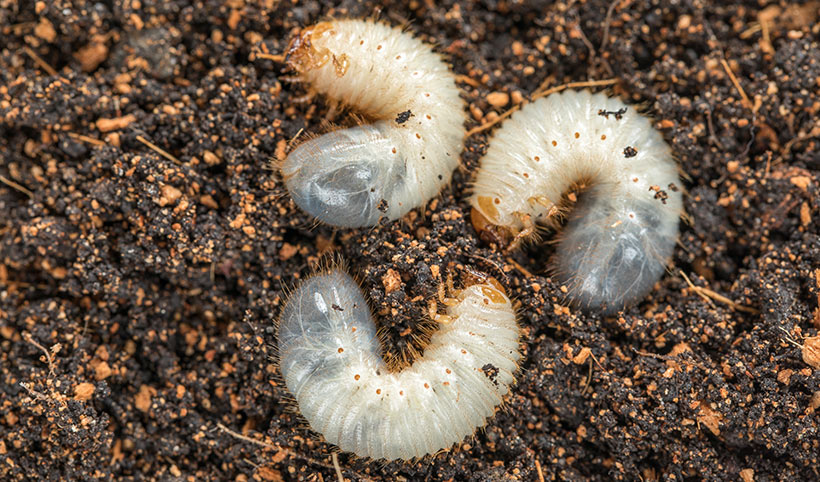
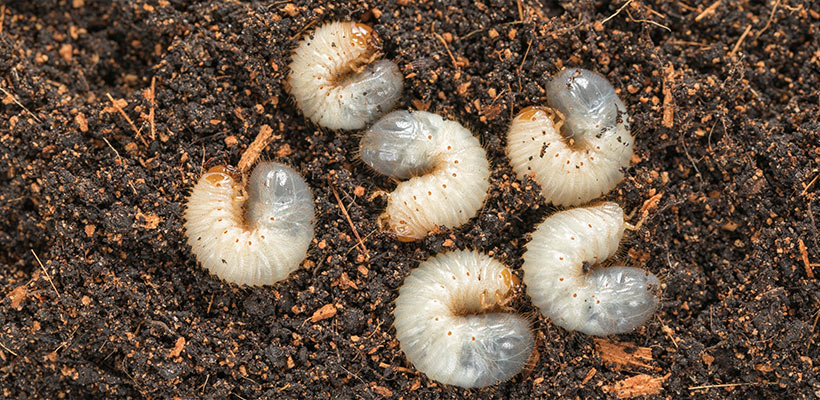
When people say "grubs," they usually mean the white c-shaped larvae of certain beetles.
- Japanese beetles
- June beetles
- Scarab beetles
Adult beetles fly around in summer, feed on plants, and lay eggs in the soil. Those eggs then hatch into grubs that feed on grass roots.
Grubs are one of the most common lawn pests in northern Illinois. The good news is, once you understand their life cycle and the signs they leave behind, you can manage them without guessing or wasting money on taking the wrong approach to eradicate them.
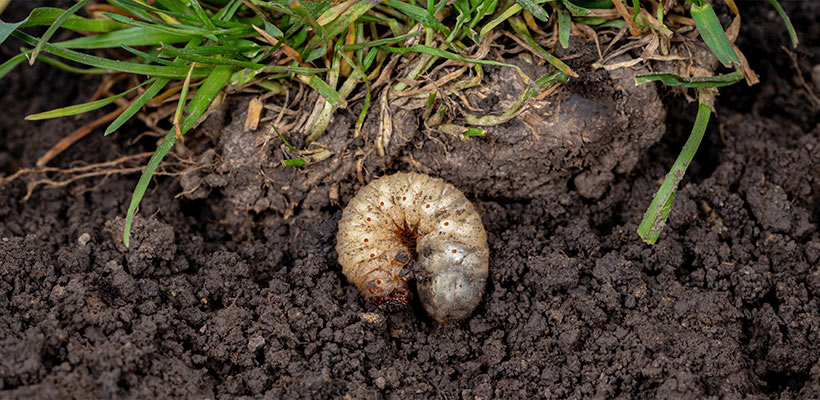
What grubs look like:
- White or cream colored
- C-shaped with a brown head
- No larger than an inch long
There's no need to become concerned if you find a few grubs in the soil. The problem occurs when there are many of them and they overwhelm the root system.
How grubs damage your lawn
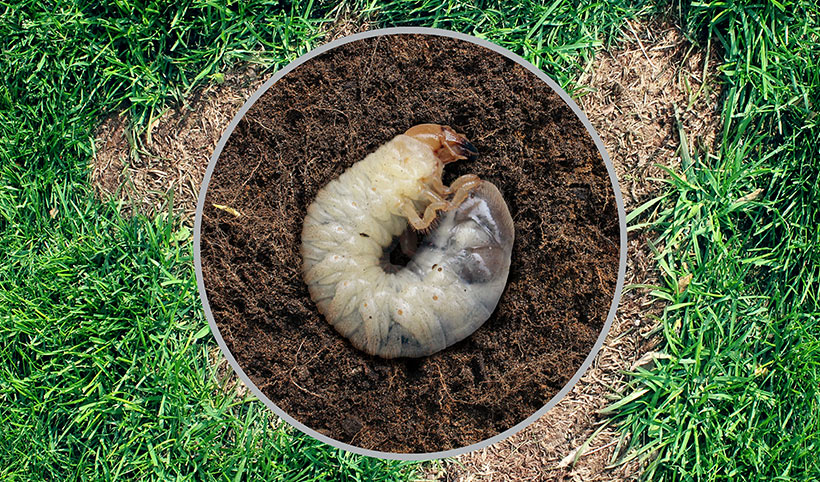
Grubs feed on the tender roots of turfgrass. When they grow in number, the consequences to your lawn can be detrimental.
- They can sever enough roots so that grass cannot take up water
- They often create large irregular patches of dead or dying turf
- They leave sections of lawn that peel back easily by hand
Because the damage starts below the surface, many homeowners first assume drought or disease. They water more, but with fewer roots, the grass still struggles.
Unfortunately, grub damage isn't noticed until late summer or early fall.
- When the weather is hot and dry
- When the grass is already stressed
- When the grubs have grown larger and are feeding more
Signs you might have a grub problem
No one expects you to be a soil detective every week, but there are some clear warning signs.
If you notice the following, you may have grubs:
- Brown or thinning patches that do not respond to watering
- Turf that feels spongy underfoot in localized areas
- Grass that pulls up easily with a light tug because roots are gone
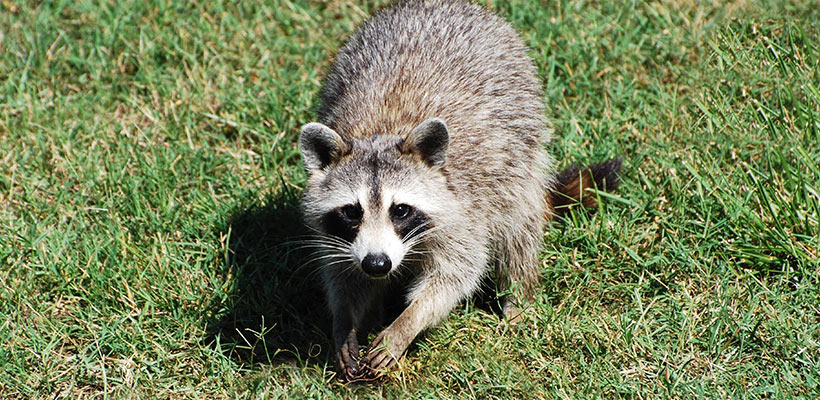
- Increased activity from skunks, raccoons or birds digging in the lawn
To be certain, you can do a simple check.
- Pick the edge of a damaged area where green grass meets brown.
- Cut three sides of a small square of turf and peel it back like a flap.
- Look in the top couple of inches of soil and root zone for white c-shaped grubs.
When treatment matters and when it may not
Grub control works best when it's timed with their life cycle. There are two types of products:
- Preventive products that target young grubs before they cause serious damage
- Curative products that work on active infestations
For many northern Illinois lawns, there are two effective strategies worth pursuing:
- Use preventive treatments at the right time of year if you've had grubs before
- Use curative treatments only when damage justifies it
Treating every lawn every year "just in case" is not usually necessary. On the other hand, ignoring a clear infestation lets damage spread.
Even the best grub control works better when the lawn itself is in good shape. Strong turf tolerates some feeding and recovers more quickly.
A lawn care professional can help you decide whether your yard is in the high-risk group based on past issues and local beetle activity.
What you can do beyond products
Even the best grub control works better when the lawn itself is in good shape. Strong turf tolerates some feeding and recovers more quickly.
Helpful cultural practices:
- Keep mowing height to around 3 inches to support deeper roots
- Water deeply and infrequently when the lawn needs it
- Aerate compacted soil in the proper season so roots can spread
After grub damage, you may need to repair thin or dead patches and do the following:
- Rake out dead grass and loosen the soil surface
- Add a bit of topsoil or compost if roots are shallow
- Overseed with quality seed suited to northern Illinois
- Keep the area evenly moist so that new grass can take hold
Grub control stops the feeding. It does not magically regrow missing roots—that part comes from reseeding and good care.
Grubs and other animals
Skunks, raccoons and certain birds consider grubs a tasty snack. Pay close attention to these indicators:
- Fresh small holes or flipped-up pieces of sod
- Damage that appears overnight in scattered patches
You may see animals digging for grubs. If you do, you likely have two layers of damage: one from grubs and one from digging.
Controlling the grubs reduces the food source and can lower animal interest, but wildlife may still visit for other reasons. Keeping trash sealed and not leaving pet food outside will thwart unwanted dinner guests.
When to bring in help
Grubs are one of those lawn issues when timing and identification matter. It is easy to misread brown patches as grubs when the cause is actually drought, disease or something else.
When it's a good time to call a professional:
- When large irregular areas are thinning or dying
- When turf peels back easily in more than one spot
- You find several grubs in a concentrated area
- Animals are tearing up the lawn and appear to be eating something
What LawnCare by Walter can do:
- Confirm whether grubs are the real culprit
- Recommend the right type and timing of treatment for your lawn
- Help you plan repair and overseeding so the lawn rebounds
Grubs are not a reason to give up on your yard. They are a sign that something is hungry under the surface and that your lawn could use a little backup. With proper diagnosis, the right treatment, and some focused recovery work, your grass can come back thick and healthy and be far less inviting to the next generation of grubs.
 Max 6 min read