

 Design
  Residential
  Commercial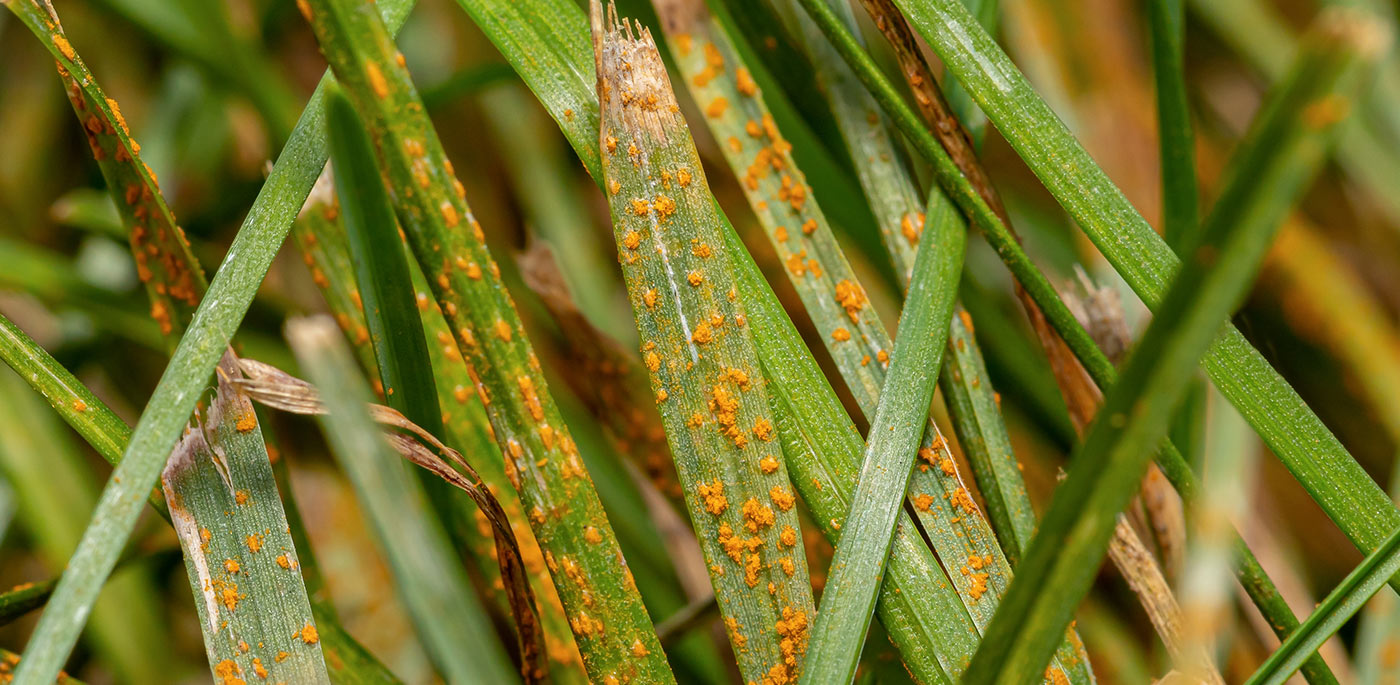


If you have ever walked across your lawn and noticed your shoes or mower wheels covered in orange dust, you likely have rust.
Rust looks dramatic on shoes, pants and equipment, but fortunately, rust is more of a warning sign than it is a disaster. Rust tells you the grass is under stress and not growing as vigorously as it should.
Here, we'll walk you through what rust is, how to recognize it, what it means for your yard, and what you can do to help your lawn recover from it.
What rust is
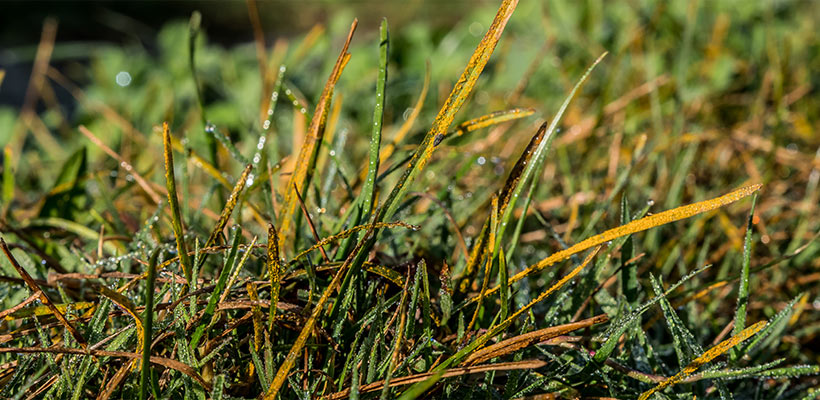
Rust is a foliar disease caused by several species of fungi that infect grass blades. It shows up most often on cool-season turf when growth is slow and conditions favor the fungus, which lives and thrives on the blades. Fortunately, rust usually does not destroy the entire plant or root system.
Rust is made up of spores that spread via the wind, rain, your own shoes, or lawn mower. You are not going to keep every spore out of your yard, but you can keep the turf strong enough so that the disease is easily conquered like a virus is in your body when you're healthy.
Rust often starts in areas where growth is slow. Places that receive shade, are underfed, or compacted could lead to slow-growing grass.
How to recognize rust in your lawn
Rust has some distinctive signs that set it apart from other issues:
- Areas of the lawn look dull, thin, or slightly yellow
- Some sections are less vivacious than the rest
What you might notice up close:
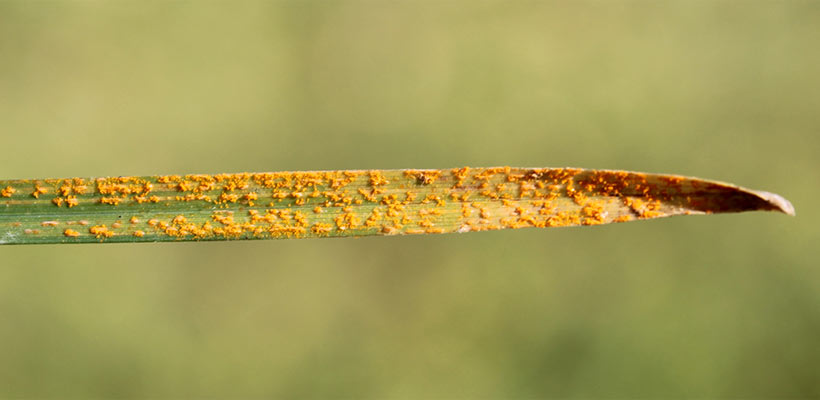
- Grass blades with small yellow spots turning orange
- Fine orange or rusty powder on the surface of the grass
- Orange dust on your shoes, mower wheels, or pets' paws
The orange powder is made up of fungal spores. If you rub a blade of grass between your fingers, it might leave a noticeable stain.
Rust often starts in areas where growth is slow. Places that receive shade, are underfed, or compacted could lead to slow-growing grass.
When and why rust shows up
Here's when rust tends to appear:
- When grass growth is slow due to low fertility or stress
- When the weather is mild and humid
- When lawns are mowed infrequently
Lawns that are slightly underfed, shaded, or mowed infrequently are likely to show symptoms of rust. Keep in mind, the culprit can appear in well kept lawns too, but healthy turf usually overtakes and dominates the lawn affected by rust.
Rust mainly affects the blades. While it can thin the canopy and spoil the color, it rarely kills the entire turf.
Think of rust as a version of a check-engine light. It is telling you the grass is not growing with normal strength and needs to be addressed.
Is rust killing my lawn?
In most situations, the answer is no. Rust mainly affects the blades. While it can thin the canopy and spoil the color, it rarely kills the entire turf. The plant crowns and roots usually remain alive. Once you encourage new growth, fresh green leaves push through and the rusty blades get mowed off.
The real concern is what rust is telling you. If your lawn is already thin, stressed by drought, contains poor soil, or has heavy traffic, rust is one more degree of pressure on an already weakened plant. Neglected, that combination can lead to bare spots and more weeds.
What you can do right now
If you are seeing rusty dust on shoes or mower decks, here are some practical steps to take:
1. Keep mowing regularly with a sharp blade
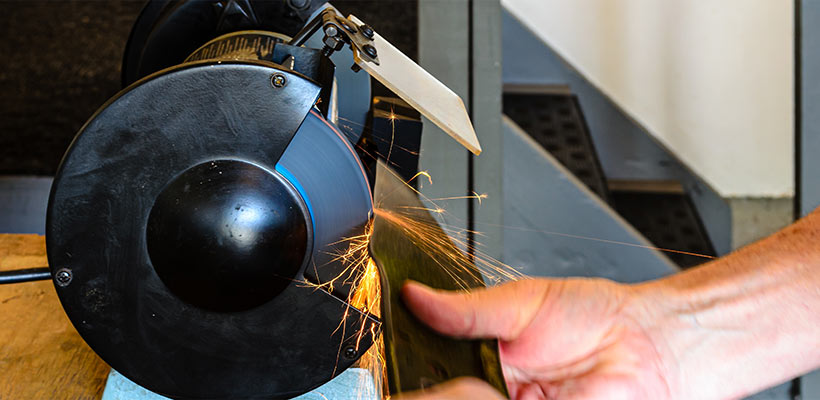
Mow often enough that you are only removing the top third of the blade each time.
- This will remove infected leaf tissue
- This will encourage new growth
- This will help the lawn look better
Make sure your mower blade is sharp. Clean cuts heal faster than torn edges and support healthier plants.
If you are concerned about spreading spores, you can hose off the mower afterward and avoid moving clippings from heavily infected areas to cleaner parts of the yard.
2. Evaluate your fertilization
Rust is common in lawns that are light on nitrogen. A modest, well-timed fertilizer application can help the grass grow out of the disease quickly. That does not mean, however, that you should dump a heavy dose on it for a quick-fix.
- Check your annual feeding schedule
- Apply a balanced product that fits your program and soil
- Avoid over fertilizing during the heat
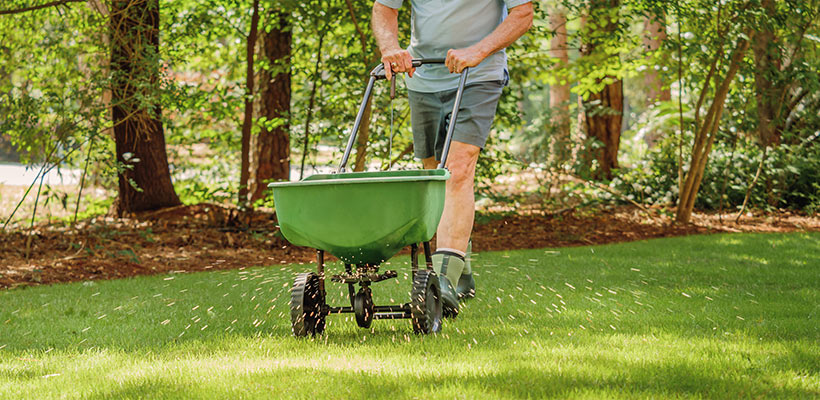
A healthy, appropriately fed lawn can often outgrow rust on its own once conditions are right.
3. Adjust watering habits
Rust likes extended leaf wetness. You cannot control rain and dew, but you can manage irrigation.
- Water in the early morning rather than in the evening
- Water deeply and infrequently instead of light daily sprinkling
- Avoid letting the turf stay damp for long periods when it is not necessary
These three things will help discourage many foliar diseases and encourage deeper roots.
4. Improve airflow where you can
If rust is worse in areas with dense shrubs, fences, or low-hanging branches, improving air flow can help leaves dry more quickly.
- Lightly prune shrubs that block breezes across the turf
- Lift lower tree branches a bit where appropriate
- Avoid letting tall grass or weeds crowd the lawn edge
These are small changes but they reduce the time grass stays wet after rain or irrigation.
Do you need fungicide for rust?
Most lawns in northern Illinois don't require fungicides to combat rust.
The disease is mainly cosmetic. Therefore, the plant usually recovers with better growth. Fungicides are typically reserved for severe cases when other steps have not helped and rust is recurring heavily.
Fungicid works best as part of a broader plan that includes proper fertilization, mowing, and watering. Spraying fungicide without fixing the underlying stress can be a short-term solution.
Preventing future rust outbreaks
You cannot remove rust fungi completely from your lawn, but you can make conditions less favorable.
What to focus on:
- A regular, appropriate fertilization schedule
- Consistent mowing at the right height with sharp blades
- Deep watering in the morning when the lawn needs it
- Occasionally aerate the soil if it is compacted
Healthy turf may still show a little rust when following these steps, but it will be lighter, shorter, and far less noticeable.
When to call for help
Sometimes it is hard to tell whether you have rust, another disease, or a combination of issues like stress and insects. What to look for before asking for help:
- You notice large areas look dull or rusty and you are not sure why
- Your lawn has repeated rust problems year after year
- The grass does not bounce back using home remedies
The LawnCare by Walter team can confirm whether or not you are dealing with rust. After reviewing your current maintenance practices, we'll put together a plan that will get your turf growing stronger, not just greener.
Rust may leave its mark on your shoes for a few weeks, but it does not need to define your lawn. With steady care and a few wise adjustments, you can turn a rust episode into a short chapter in the season.
 Max 6 min read