


 Design
  Residential
 Commercial

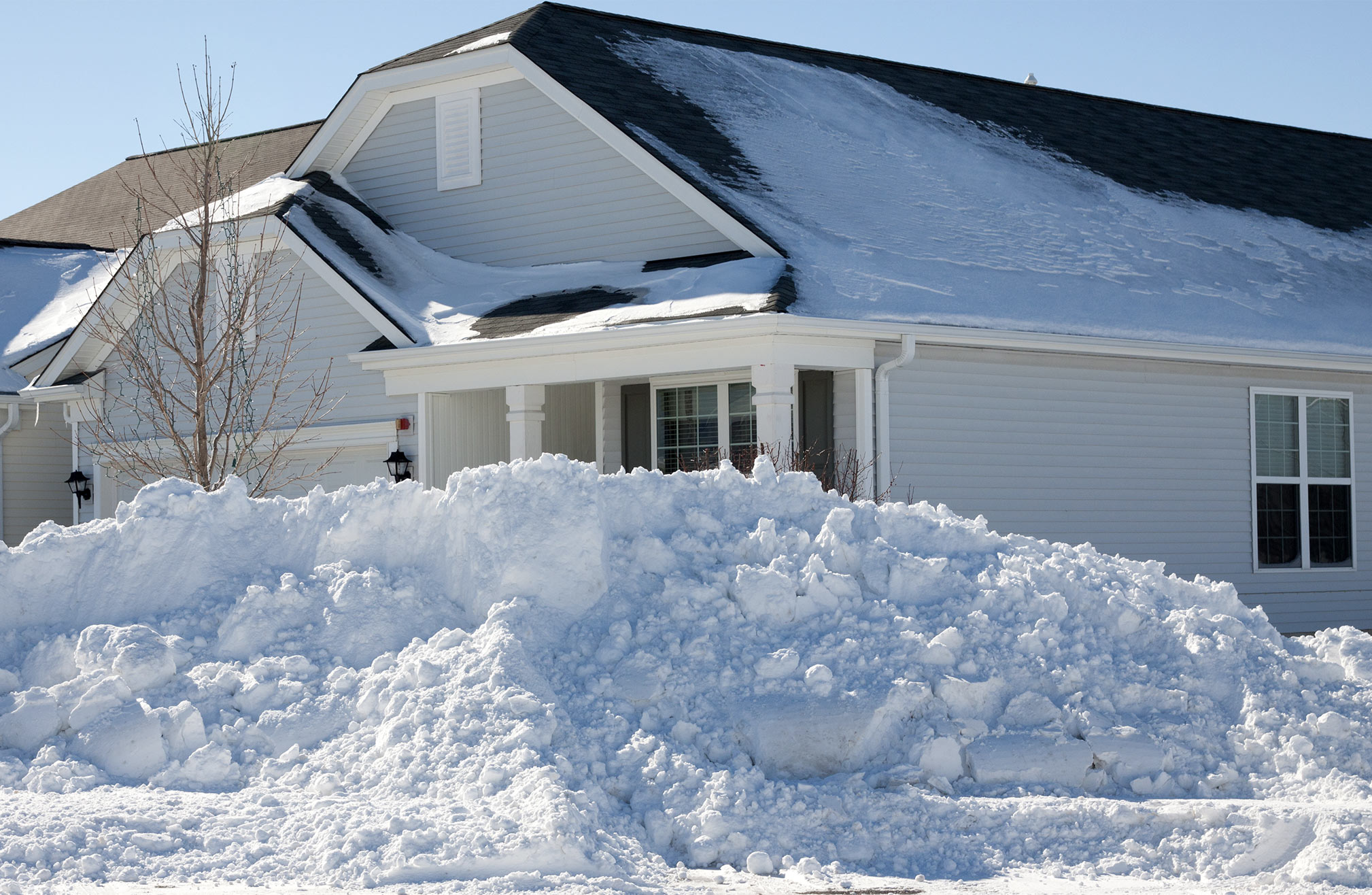
By the time winter loosens its grip in northern Illinois, your lawn has taken a quiet beating.
Snow piles, frozen ground, plow passes and shortcut footpaths all push down on the soil. On top it still looks like grass; underneath, parts of your yard may look more like a doormat than a living sponge. That hidden problem is soil compaction. It is one of the biggest reasons a lawn struggles to green up, drains poorly, or stays stuck in "tired" mode all year long. The good news is, you can spot it early and start turning things around before the stress of summer weather gets a relentless hold of your lawn.
What winter did to your yard
Even if you never park on the grass, winter does its own kind of heavy lifting. Here are some common troublemakers:
- Snow piles pushed into the same spots over and over
- Foot traffic and pet traffic on frozen or half-thawed turf
- Plow blades riding low and scraping turf at the edges
- Repeated freeze and thaw cycles that settle soil
When the ground is frozen, any weight gets pushed into crowns and roots. When the top inch thaws but deeper soil stays firm, walking on that soft layer works like a boot on a wet sponge. Water squeezes out, pore spaces collapse and the soil becomes dense. You do not notice much in January. You notice in April when the lawn drags its feet.
Early signs to watch for
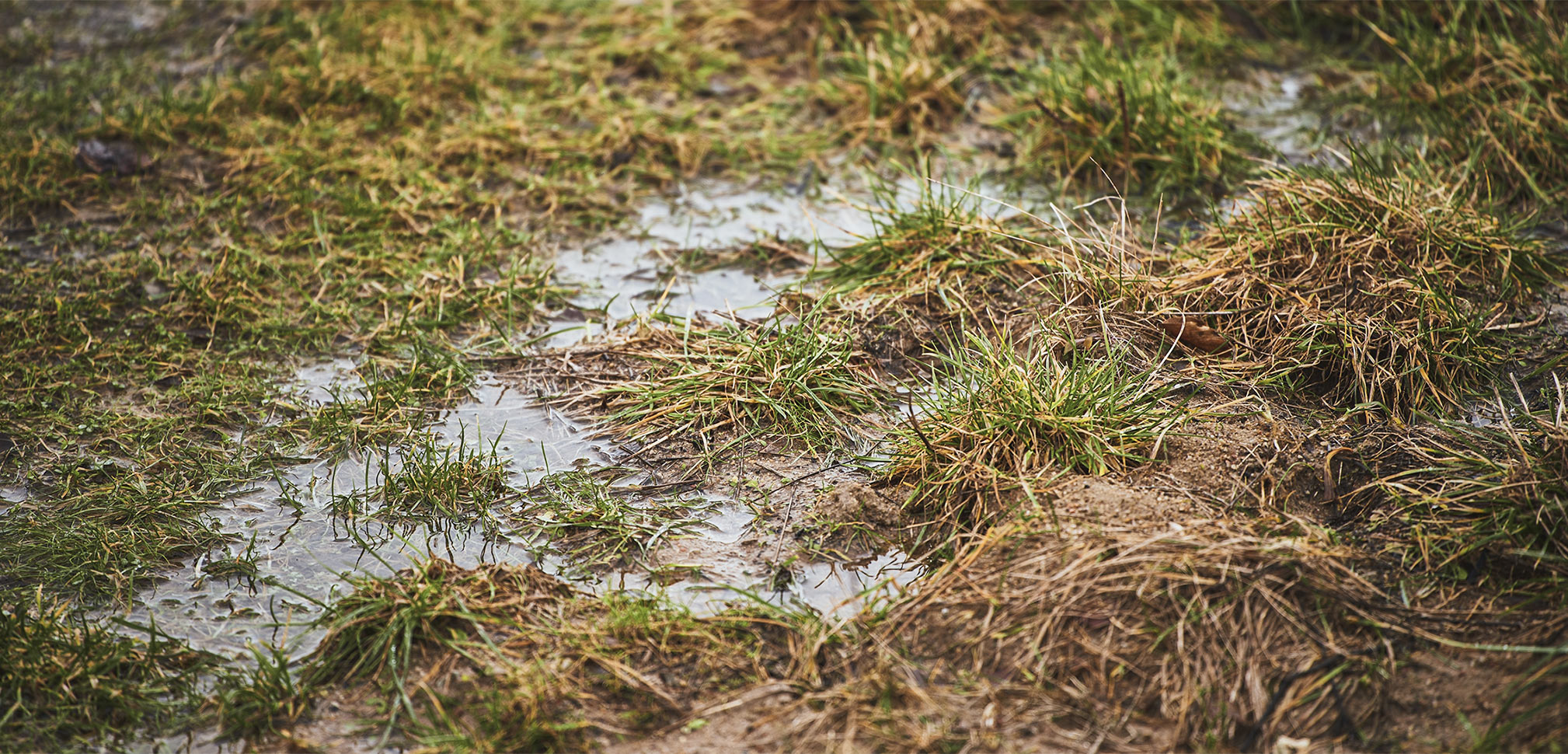
As snow melts, keep an eye out for these clues:
- Water that sits on the surface instead of soaking in
- Sloppy, muddy zones that stay wet long after the rest of the yard dries
- Turf that feels flat and hard underfoot instead of springy
- Thin strips along driveways, walks, and main traffic paths
You can also try the simple screwdriver test. On a thawed day, push a long screwdriver into the soil. In healthier areas it slides in with steady pressure. In compacted spots it stops quickly or will not go down more than an inch or two.
Why compaction matters now
Tight soil in late winter and early spring sets the tone for the rest of the season. When roots cannot push deeper, grass will do the following:
- Green-up slowly
- Handle heat and drought poorly
- Leave open spaces where tough weeds can move in
You can feed and water all you want, but if roots are trapped in a shallow, compacted layer the lawn never fully uses what you give it.
Smart early spring moves
Don't attempt to fix everything at once. It is better to prevent more damage and set up a recovery window. This can include the following:
- Stay off very soft, saturated areas. If your footprints fill with water, it is too early for children to play on the lawn or do yard work. Use sidewalks and driveways for fun-filled activities instead of the grass.
- Wait to rake until the surface has drained and feels firm. Then use a light rake to lift matted grass. Then break surface crusts so the air can reach crowns.
- Make a quick mental map of trouble spots. Note where puddles collect, where traffic is chronic, and where snow piles leave thin strips. These are prime candidates for aeration and overseeding later.
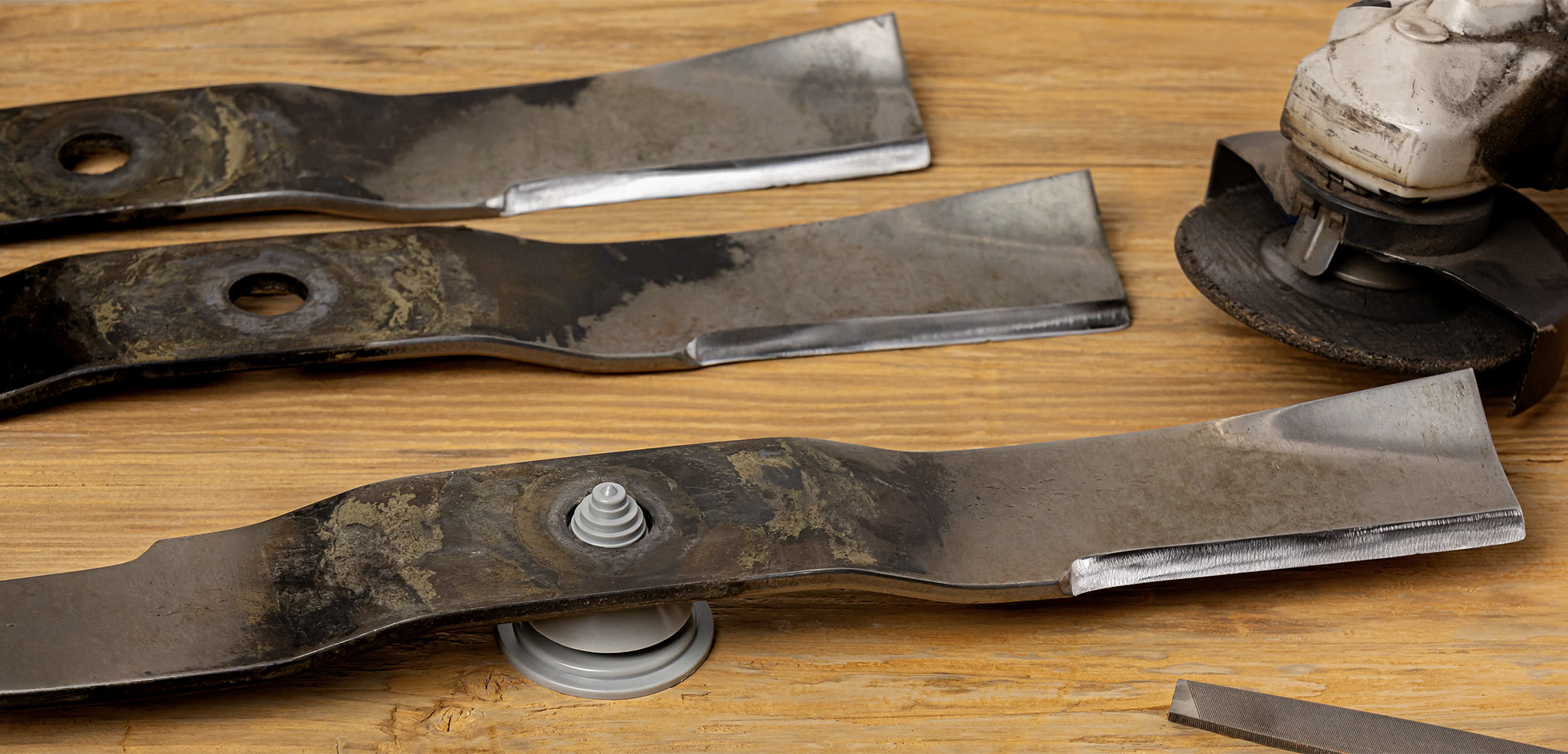
With spring around the corner, it is important to get your lawn ready. Gently rake away matted grass and winter debris to let the soil breathe and warm up. Weather permitting, apply preemergent herbicides starting in mid to late March when soil temperatures reach 55 to 60 degrees for several days to target crabgrass and other weeds. Finally, make sure your mower blades are sharpened so you are not shredding tender new growth.
Looking ahead
Late winter and early spring are usually too wet for core aeration, but they are perfect for planning it. In northern Illinois, aeration often works best in early fall, sometimes in late spring if conditions allow. Pairing aeration with overseeding and a balanced feeding program is how you loosen that "concrete" layer and help roots explore deeper soil.
If parts of your lawn stay soggy or are stubbornly slow to green while your neighbors' yards wake up, it may be more than a cosmetic issue. LawnCare by Walter can help determine where possible compaction might be holding your lawn back and build a plan so that every slice from the mower this year will leave your lawn looking fantastic.