


 Design
  Residential
  Commercial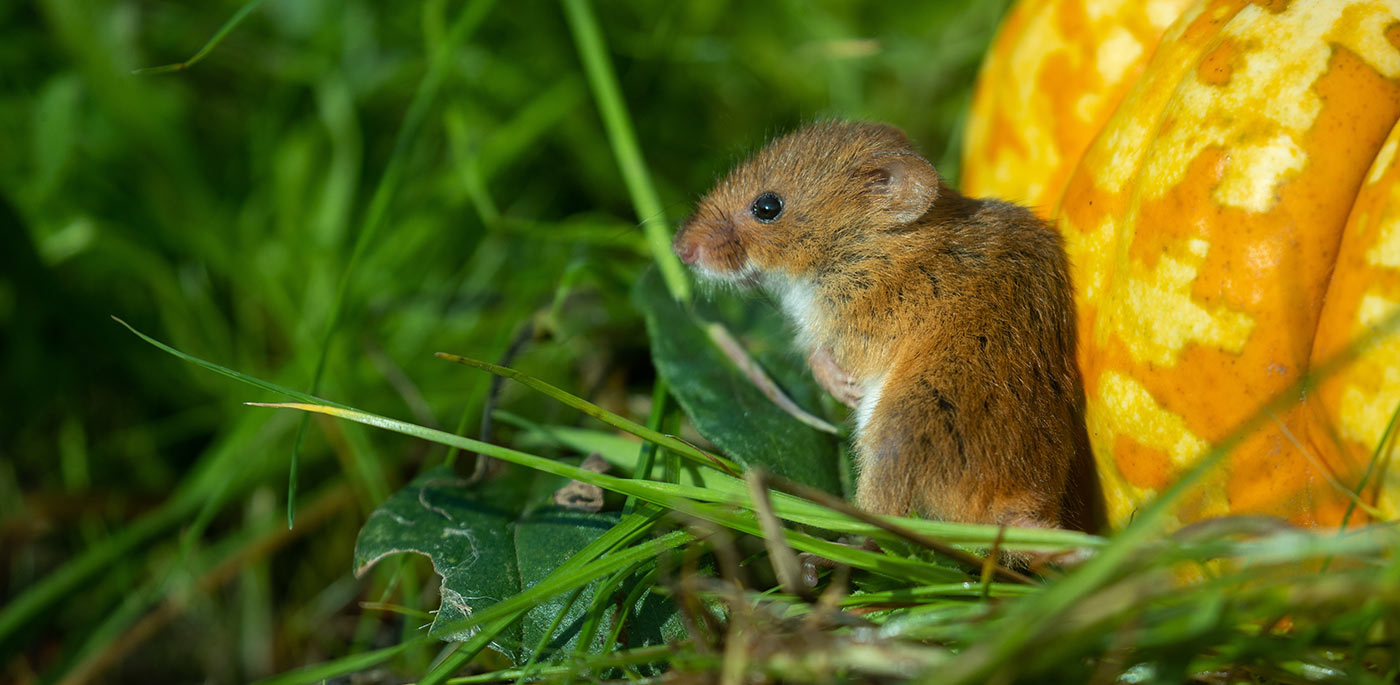


Fall in cold climates looks, feels and smells good. Soft light, pumpkins on porches, and wood smoke can easily draw one to cozy environments.
Unfortunately, it can also be the season when an entire cast of unwanted lawn pests show up. And, we're not referring to the usual grubs and dandelions, but mice, voles, moles, skunks, and raccoons that invade your yard like it's their personal playground.
As temperatures drop, animals start thinking about two things: food and shelter. Your lawn and landscape offer both.
Rodents are not always the villains people think they are. Some can actually do a bit of good. Most of them, however, are full of surprises.
The fall shift: why critters move into your yard
As temperatures drop, animals start thinking about two things: food and shelter. Your lawn and landscape offer both.
- Thick grass and leaf cover hide small animals from predators
- Mulch beds, rock borders, and foundation gaps make cozy tunnels
- Grubs and other insects provide an easy buffet under the turf
You do not have to turn your yard into a fortress, but you do need to know who might be moving in and how to tip the balance back in your favor.
Mice and their sneaky runways
When snow melts in late winter and you see tan squiggly lines carved into your lawn, you are probably looking at runways created by voles or mice.
What you will notice:
- Narrow trails above ground that weave through the grass
- Small openings near dense shrubs or along foundations
- Patches of grass chewed along those trails
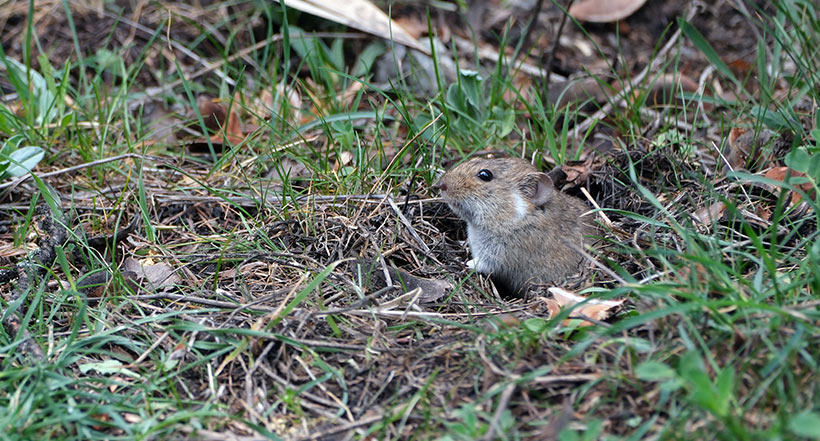
Mice and voles use your lawn as a covered highway. They are usually busy building routes and nesting spots in the fall so they can move safely under the snow later.
Why they like your yard
- Tall grass or thick layers of leaves give rodents overhead cover
- Heavy mulch against foundations hides entry points
- Bird feeders spill seeds that act as a snack bar
What you can do
You do not have to get rid of every rodent in the neighborhood. Instead, focus on making your lawn less comfortable for them.
- Keep grass at a normal height, not long and floppy
- Rake and mulch leaves so they do not form deep layers
- Pull mulch a few inches back from foundations and trunks
- Clean up spilled bird seed around feeders
If you see runways in the spring, lightly rake them, then overseed the thin spots in the fall and let regular mowing erase the tracks. For serious chewing at tree bases, consider protective wraps before winter.
Moles are the misunderstood tunneling crew
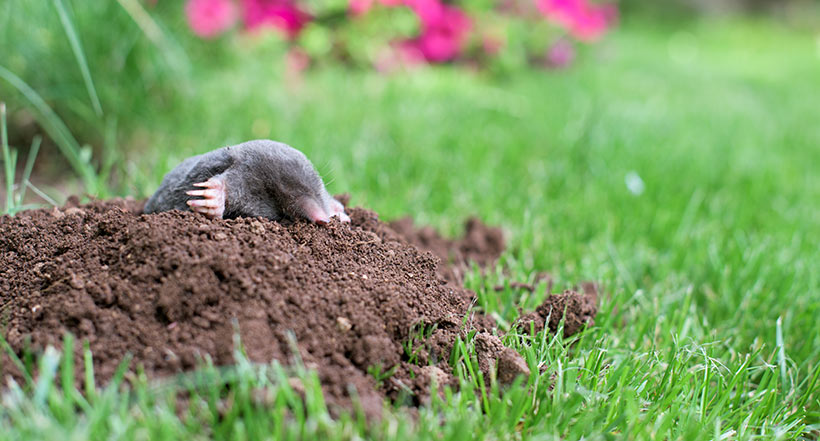
Moles are often blamed for "eating" lawns. In reality, they are mostly insect hunters that just happen to rearrange your yard while they work.
What you will notice:
- Raised tunnels that feel squishy underfoot
- Volcano shaped soil mounds in scattered spots
- Turf that looks lumpy but still reasonably green at first
Moles are chasing grubs, earthworms, and other insects. If your lawn has a buffet underground, it is more attractive to them in the fall when they are fattening up.
Pros and Cons
Pros:
- They aerate soil a bit as they tunnel
- They eat grubs and some other pests
Cons:
- Tunnels can damage roots and dry out soil
- Mounds dull mower blades and make the lawn uneven
- They create trip hazards in play areas
What you can do
First, address the food source. If grubs are a known issue in your yard, consider eradicating them.
Second, decide how much mole activity you can live with. A few tunnels on the back edge of the property might be something you're willing to tolerate. Tunnels across the play area or front walk are a bigger problem.
Trapping is the most effective long-term control, but it needs to be done correctly and often is best handled by professionals. Be careful about simply scattering random home remedies because they can sometimes simply move moles from one area to another.
The midnight excavators of skunks and raccoons
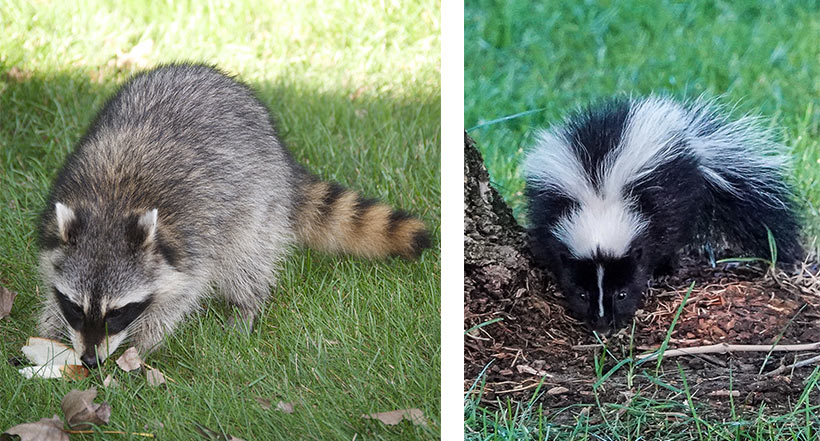
If you wake up and see small holes or flipped sod pieces across the lawn, your first inclination is to conclude you have a lawn disease. Look closer. Those divots are usually the work of skunks or raccoons digging for grubs.
What you will notice:
- Dozens of shallow holes, like someone used a small spoon
- Turf scraps flipped over like loose lids
- Damage that appears overnight, sometimes in clusters
Skunks are often gentle diggers. Raccoons can be more aggressive and dig up larger sections. Neither is trying to hurt the lawn. They are following the smell of insects close to the surface, especially in fall.
What you can do:
The real "pest" here may be grubs, not animals.
- Have a pro check for grub populations if digging is frequent
- Use grub control at the right time if counts are high
- Repair damaged areas with raking and light overseeding
You cannot put your lawn in a glass bubble for the entire season. You can, however, make a few smart moves to keep "pumpkin spice season" enjoyable.
If wildlife activity is extreme, you can use motion-activated lights or sprinklers as a mild deterrent near sensitive areas. Avoid leaving pet food outside or open trash that might encourage nightly visits.
Squirrels, chipmunks and their stash spots
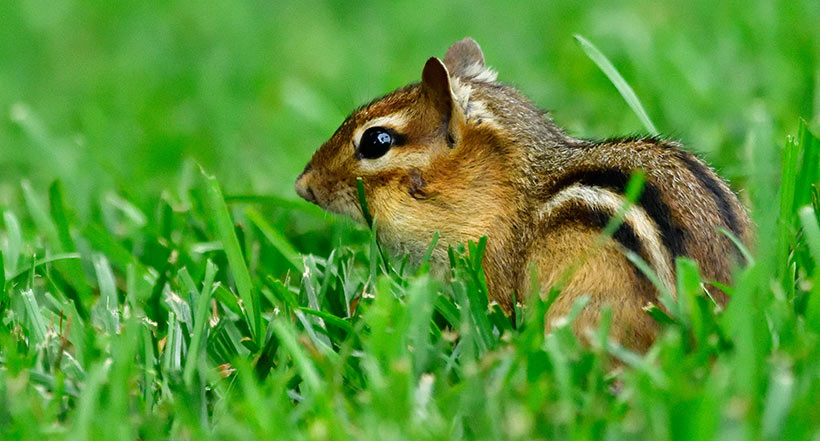
Squirrels and chipmunks are not true lawn pests in the traditional sense, but they do leave their mark.
Here's what they do in the fall:
- Bury nuts and seeds in soft turf
- Dig up mulch and planters for hiding spots
- Drop shells and husks across the yard
The result is small divots, scattered debris, and the occasional seedling tree where you never planned to have one.
Most of this is minor cosmetic damage that normal raking and mowing can handle. If digging is heavy in a certain bed, adding a thin layer of decorative rock on top of mulch or using heavier mulch can make it less inviting.
How to fall-proof your lawn without losing the season
You cannot put your lawn in a glass bubble for the entire season. That would not be any fun. You can, however, make a few smart moves to keep "pumpkin spice season" enjoyable.
1. Keep things tidy, not perfect
- Mulch or remove leaves before they form thick blankets
- Mow regularly until growth slows, at a proper height
- Pick up fallen fruit, seed pods, or food scraps that attract extra wildlife
2. Shore up weak spots
- Overseed thin areas in the fall so there is less bare soil for digging and nesting
- Aerate compacted zones to improve drainage and root growth
- Use stone, mulch, or pavers in places where grass never survives
3. Watch for patterns, not one-time events
One mole tunnel or one squirrel hole does not require a crisis plan. Repeated nightly digging, recurring runways, or clusters of insect nests are worth your attention.
Keep a simple mental log. Where does damage happen? When did it start? Answering these questions helps your care provider target the real cause instead of treating random symptoms.
When to call in a pro
Fall lawn pests sit at the crossing point between turf care and wildlife. Some things you can manage with small changes. Others are better handled with experience and the right tools.
When to call for help:
- You see widespread digging and suspect grubs
- You notice rings or dead patches and are not sure if they are from animals, disease, or drought
- Vole or mouse activity is harming trees or spreading across large areas
LawnCare by Walter can help you figure out which critter is the guilty party causing damage, determine the overall health of your soil, and build a plan that keeps your lawn a welcoming place for people and pets, not a free-for-all yard for pests.
 Max 6 min read