

 Design
  Residential
 Commercial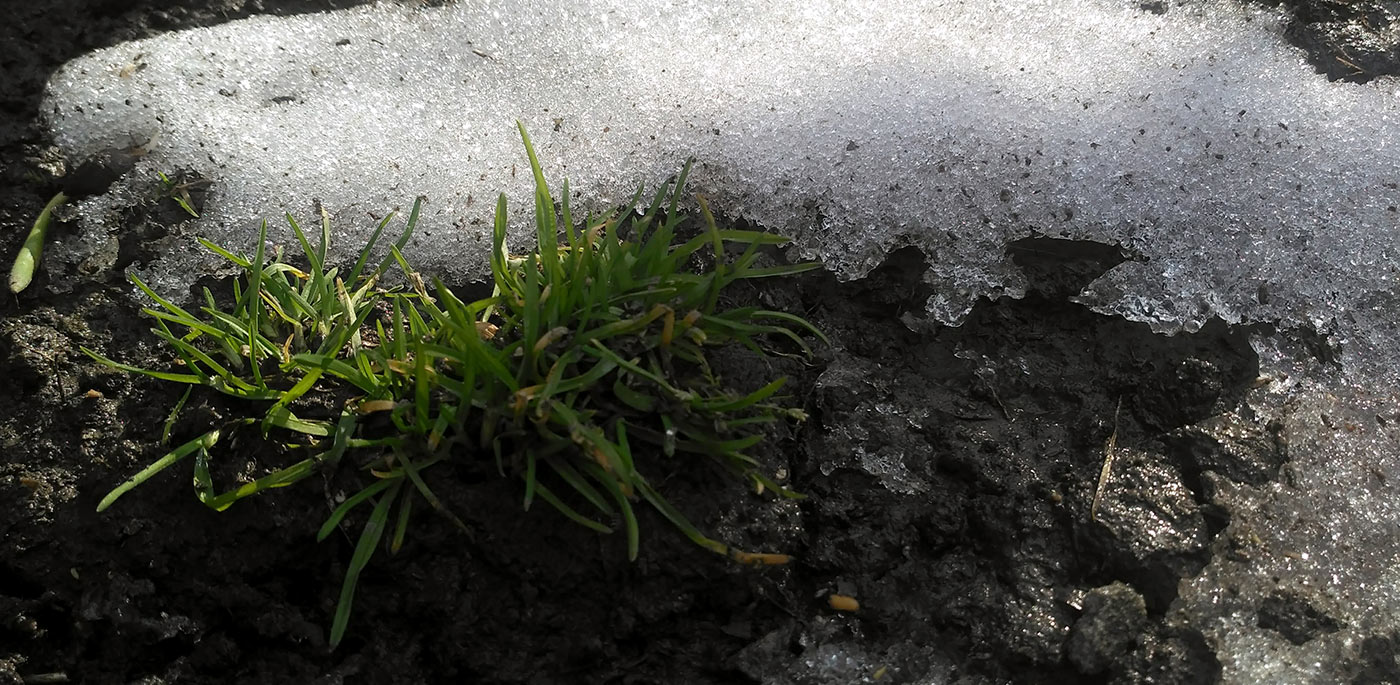


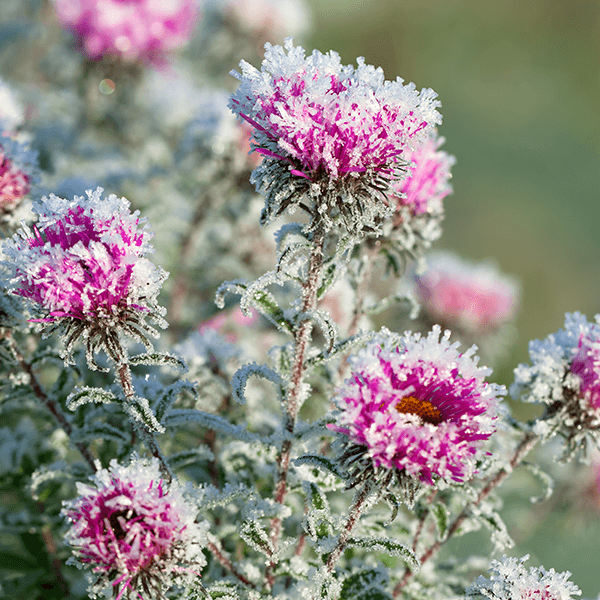
There is a special kind of season in northern Illinois that does not show up on any calendar. It is the time between winter and spring when the snow is half melted, the ground is half frozen, and your lawn feels like a wet sponge. We call it The Great Thaw.
If you have ever stepped outside in late February or March and felt your lawn move under your boots, you know the feeling. One minute the yard looks solid, the next it is a mix of ice, water, and mud. It might be tempting to jump in and start “spring cleanup,” but what you do during this slushy period can either set your lawn up for success or create problems that last all summer.
The team at LawnCare by Walter works through this transition every year, so here is a friendly guide to what is really happening under your feet and what to do about it.
What is going on under the slush?
During winter, the soil in your yard freezes from the top down. When we get a warm spell, the surface starts to thaw while the deeper layers are still frozen. Melted snow cannot soak in very far, so it typically sits on the top two inches of soil and turns everything soupy.
At the same time, grass plants are just waking up from dormancy. The crowns and roots are fragile. They are not ready to handle heavy traffic or rough raking yet. Picture someone trying to stand on an icy sidewalk while someone else keeps bumping into them. That is your grass in a thaw. This mix of soft soil and tender plants is why slushy lawns are so vulnerable to damage.
Stay off the soup.
The most important thing you can do for your lawn during The Great Thaw is very simple: Stay off it as much as you reasonably can.
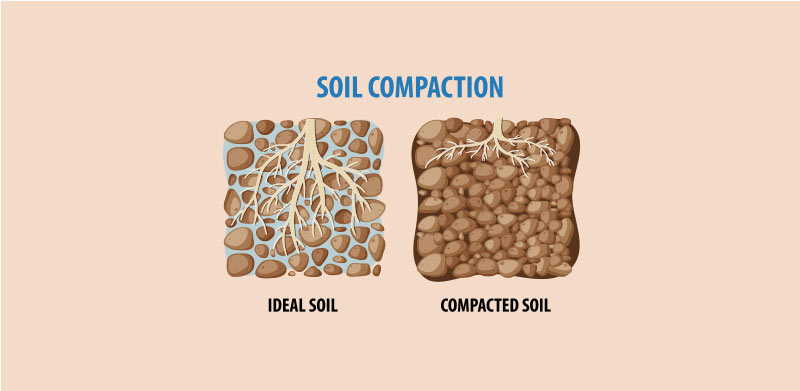
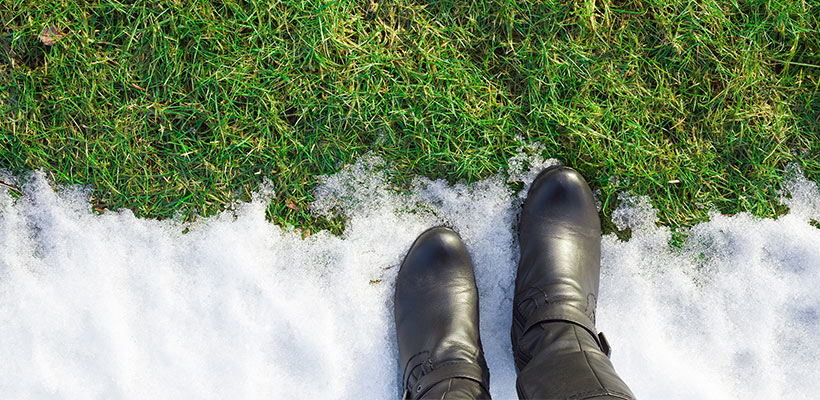
When you walk, push a wheelbarrow, or drive equipment over saturated soil, you press the soil particles together. This squeezes out the airways that roots need, and leads to soil compaction. Compacted areas are slow to drain, slow to green up, and quick to turn brown in summer heat. You also risk tearing or bruising the crowns of the grass plants. In firm soil, the plant can resist your footstep. In mud, it slides, twists, and rips. The damage might not show right away, but a few weeks later you may see yellowing footprints or paths where the grass never quite recovered.
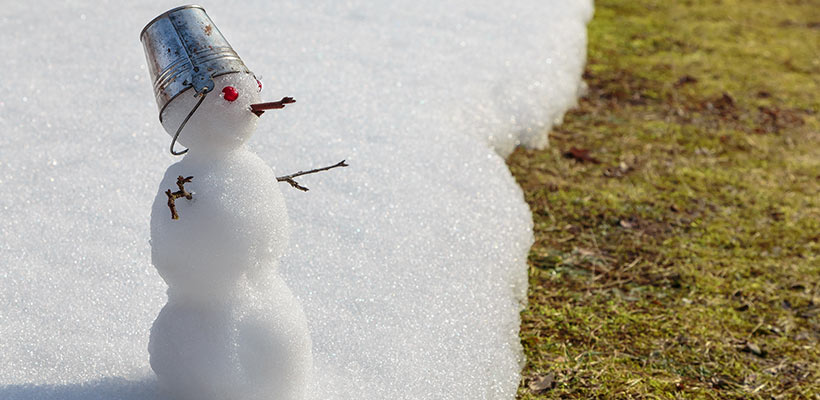
During thaw periods, be sure to do the following:
- Use sidewalks and driveways instead of cutting across the lawn.
- Ask kids to play games on firm areas.
- Keep vehicles and trailers off grass.
Use the thaw to study drainage.
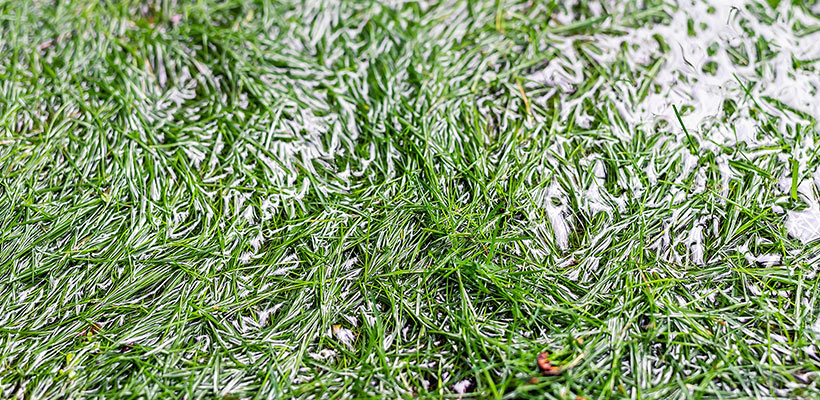
Even though you want to stay off the lawn as much as possible, The Great Thaw is a perfect time for a little detective work. From a safe path, simply watch where water goes...
- Do you see low spots where puddles always form?
- Is meltwater running straight across the lawn from a downspout?
- Are there large areas where snow always melts in the same place?
If you answered yes to any of these questions, the soil may already be compacted. Make a few notes or take photos. Later in the spring or fall, you can address these spots with grading or aeration. You might need to change the placement of a downspout or address other areas where water might need a better path to flow.
What about raking and cleanup?
As soon as the snow melts, it is natural to reach for a rake. A light touch can help, but timing matters. If the lawn is extremely soft and your rake pulls up clumps of grass, it is too early—you are doing more harm than good. Wait until the surface has dried and the soil does not move under your feet. At that point you can do the following:
- Gently rake away leaves trapped under snow.
- Break up matted patches that look flat and gray.
- Remove sticks and debris—even the small ones.
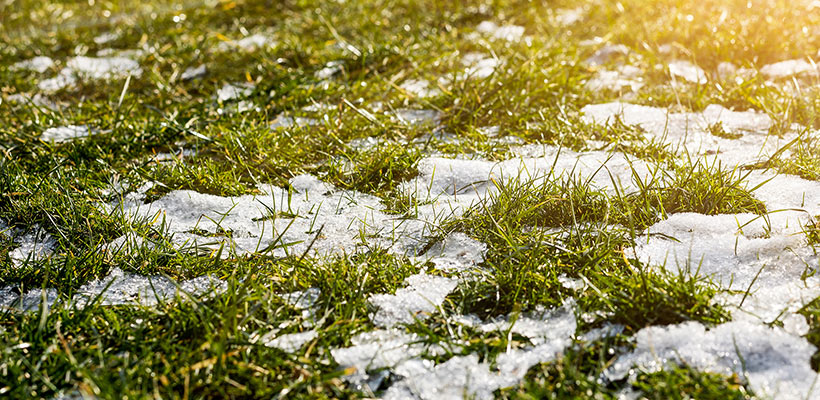
This light cleanup lets sunlight and air reach the crowns and helps the lawn dry more evenly. Save heavier dethatching or power raking for later when the grass is actively growing and can repair itself.
Dealing with ruts and squashed areas.
Sometimes the damage is already done. Maybe a delivery truck had to cut across the yard or you needed to move something heavy before the thaw ended. If you see ruts or compressed tracks once things dry out, do not panic. For shallow ruts, you can often lift the turf gently with a spade, add a little soil underneath, and press it back into place. Deep ruts may need the soil loosened and leveled, then overseeded. In either case, the goal is to restore a relatively even surface and give roots a chance to grow into loosened soil instead of staying trapped in a compacted channel.
Planning for recovery.
Once the lawn has dried and you can walk on it without sinking, you can shift from damage prevention to recovery. Good follow-up steps after a tough thaw include the following:
- Addressing noticeable drainage problems.
- Scheduling core aeration for compacted areas.
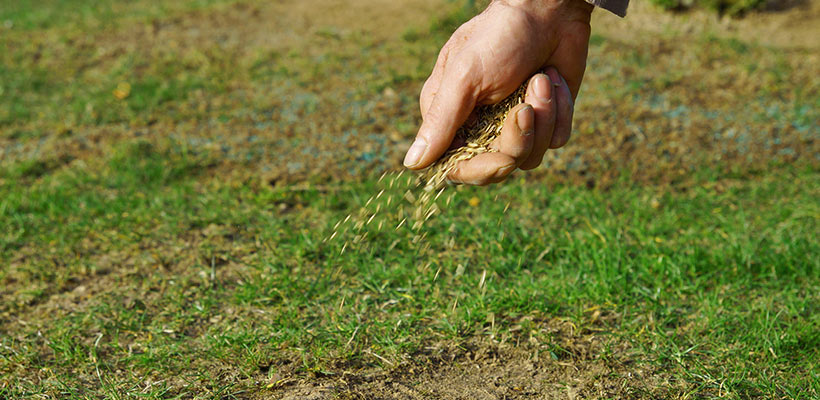
- Overseeding thin spots with a quality grass blend.
- Setting up a watering schedule when the weather warms up.
Aeration is especially helpful for lawns that routinely turn to slush, then bake hard in summer. Removing plugged up soil opens pathways for air and water and allows roots to grow deeper, which makes for better color and better resilience.
When to ask for help.
You do not have to solve every issue on your own. If parts of your yard always seem waterlogged, if the same spots struggle every year, or if you are simply not sure where to start, that is a good time to call a lawn care professional.
The LawnCare by Walter team can walk the property with you, read the clues left behind by The Great Thaw, and design a plan that fits your yard and your budget. Sometimes that plan is as simple as aerating and overseeding. Other times, it might involve more thoughtful grading or a change in how you use certain parts of the yard.
The Great Thaw can turn your lawn into a mess, but it also provides opportunity for improvement. Treat your slushy yard gently, pay attention to where water goes, and give the soil a chance to breathe once things dry out. If you do, you will head into spring with healthier roots and a lawn that is ready to green up instead of give up.
Then bid The Great Thaw farewell and enjoy your lawn!
 Max 3 min read