

 Design
  Residential
 Commercial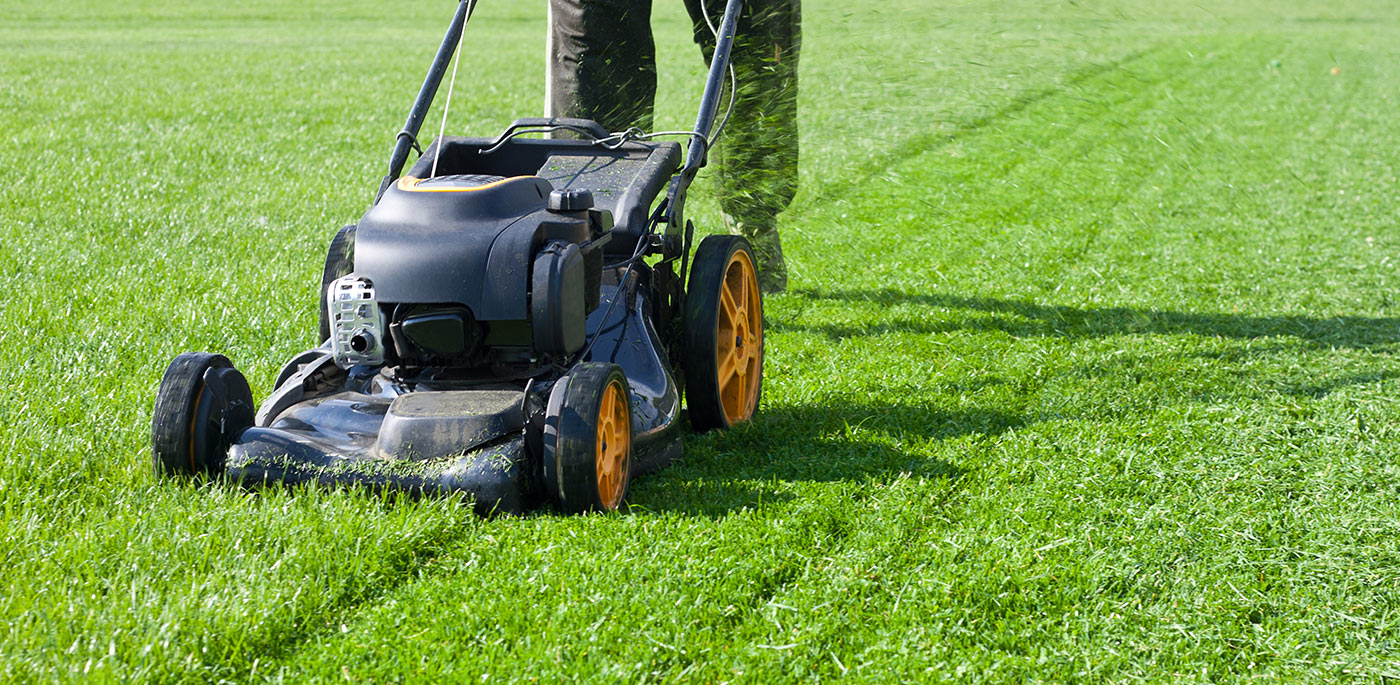


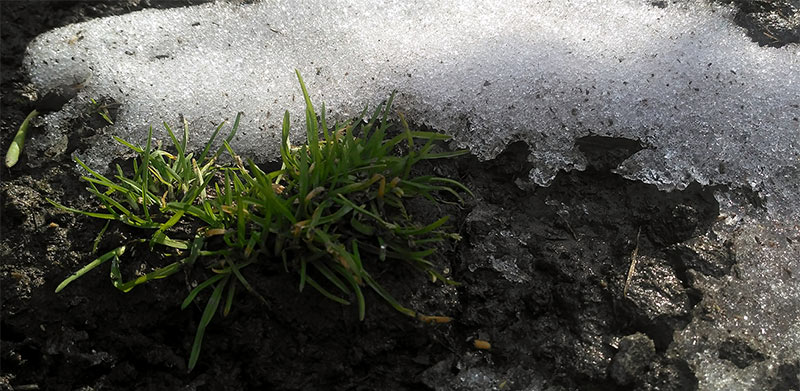
When spring finally shows up in northern Illinois, a lot of people do the same thing. Roll the mower out, pull the cord and hope for the best. Sometimes it fires right up. Sometimes it leaves the lawn looking torn and uneven.
A smoother year starts with a little prep work now. At LawnCare by Walter, we see every day how well-maintained equipment helps customers get better results with less effort. This Ground Rules article walks you through a practical spring tune-up checklist so your mower and tools are ready when the grass starts growing.
If you only tackle one tune-up task, make it this one. A sharp blade is the single biggest factor in how neat your lawn looks.
Why a tune-up matters
A sharp, well-tuned mower does more than make mowing easier. It:
- Cuts grass cleanly instead of shredding it
- Helps the lawn stay greener and less prone to disease
- Saves time because you do not need repeat passes
- Starts more reliably and uses fuel more efficiently
Each blade of grass is a small plant. When a dull blade chews on it, the tips turn brown and lose moisture. Multiply that by thousands of blades and your whole lawn looks tired. A tune-up protects your time and your turf.
Step 1: Put safety first
Before you work on any mower, make sure it cannot start by accident.
- Disconnect the spark plug wire on gas mowers
- Remove the battery or key on battery models
- If you tilt the mower, keep the air filter and carburetor up so fuel does not spill into them
Wear gloves near blades and eye protection when scraping or brushing the deck. A few simple habits prevent a lot of injuries.
Step 2: Sharpen or replace the blade
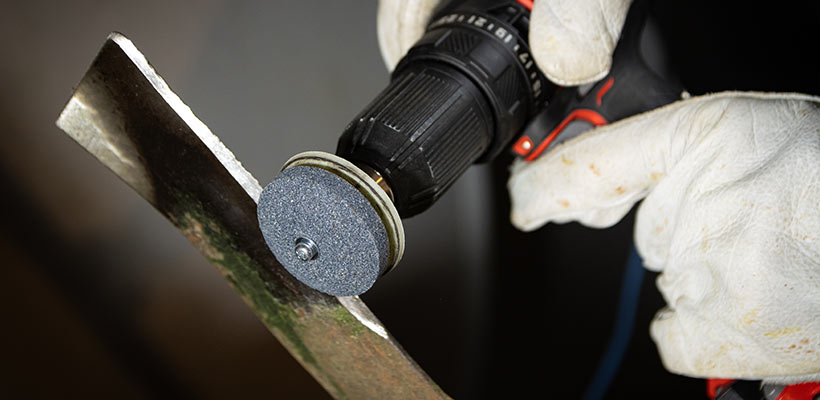
If you only tackle one tune-up task, make it this one. A sharp blade is the single biggest factor in how neat your lawn looks.
Remove the blade, usually held by one main bolt. Use a block of wood to keep it from spinning while you loosen it.
You can sharpen at home with a file or grinder or drop it at a shop that offers sharpening. Keep the original angle and smooth out nicks. Check balance by resting the blade on a nail through the center hole. If one side drops, remove a little more metal from that side.
If the blade is cracked, badly bent or worn thin, replace it. It is a small cost for a big improvement in cut quality.
Step 3: Change oil and air filter on gas mowers
Engines last longer with clean oil and air. Spring is the perfect time to start fresh.
- Check the manual for the right oil type and amount
- Warm the engine for a few minutes, shut it off, disconnect the spark plug and drain the oil into a pan
- Refill with clean oil to the proper level
Next, look at the air filter. Replace a dirty paper filter. If you have a foam filter, wash it with mild soap and water, let it dry, then lightly oil it if the manual recommends that. A clogged filter makes the engine work harder and puts strain on every other part.
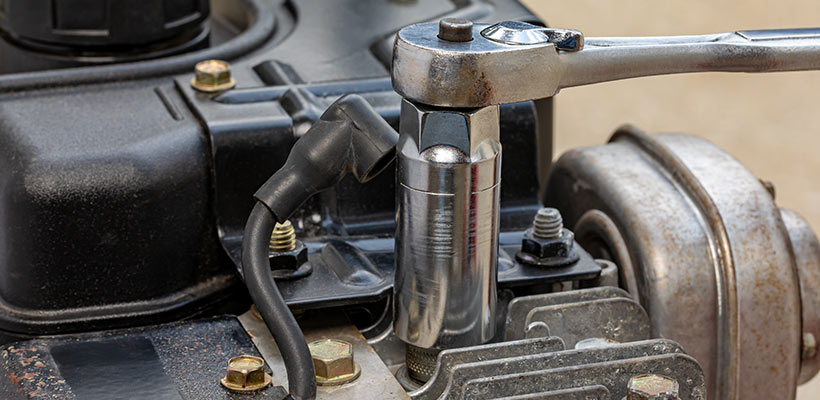
Step 4: Inspect the spark plug
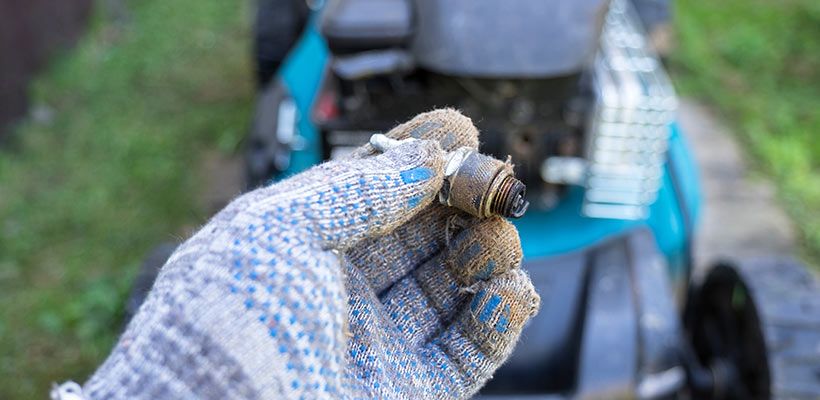
A worn spark plug makes starting harder and wastes fuel.
Remove it with a spark plug socket. If the tip is heavily coated or the metal is worn, replace it. Spark plugs are inexpensive and easy to swap. Check the gap if you have a gauge, then thread the new plug in by hand and snug it with the wrench.
Leave the plug wire disconnected until you finish the other steps.
Step 5: Clean the underside of the deck
Dried grass under the deck blocks airflow and discharge and can lead to rust.
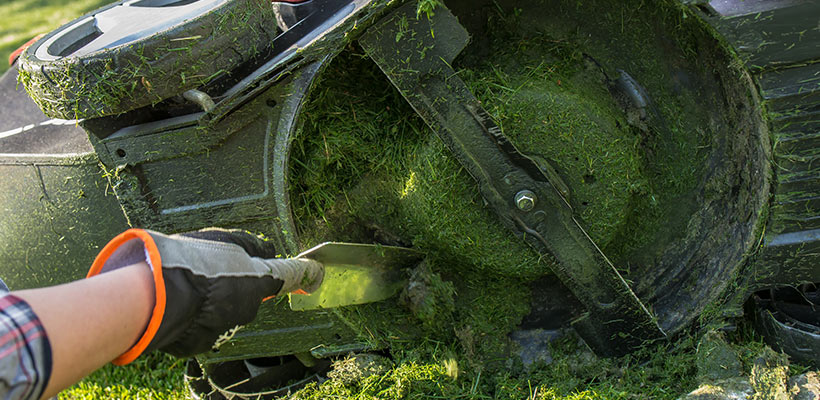
With the mower safely tilted and the plug disconnected, scrape off buildup with a plastic scraper or putty knife. Avoid tools that may gouge the metal. Brush away the remaining dust.
While you are there, look for rust spots, cracks or loose belts on riding mowers. Catching problems now is easier than dealing with a breakdown mid-season.
Step 6: Check wheels, height and controls
Uneven wheel settings give you an uneven cut. Stiff controls make mowing tiring.
- Confirm all wheels are set to the same height
- Spin each wheel and listen for grinding or wobbling
- Lubricate pivots and axles if the manual allows
Inspect control cables for fraying or sticking. Adjust the self-propel cable if the mower drags or fails to pull. On riding mowers, check tire pressure so the deck does not tilt.
In northern Illinois, most cool-season lawns look best at 3 to 3.5 inches tall. Set your mower so it is easy to stay in that range instead of guessing each week.
Step 7: Fuel, batteries and storage
For gas mowers, always start the season with fresh fuel. Old gas can cause rough running or no start at all. If fuel has sat in the tank all winter without stabilizer, consider draining it and refilling with fresh gas.
For battery mowers:
- Fully charge batteries before the first mow
- Inspect contacts for corrosion and clean them if needed
- Follow the manual's guidelines for charging and storage to extend battery life
Take a moment to straighten your storage area too. Organize trimmer line, extra blades, safety glasses and hearing protection so you are not hunting for them when the grass is already tall.
Step 8: Tune the rest of your yard tools
The mower does the heavy lifting, but your trim work finishes the look. Give other tools a quick check.
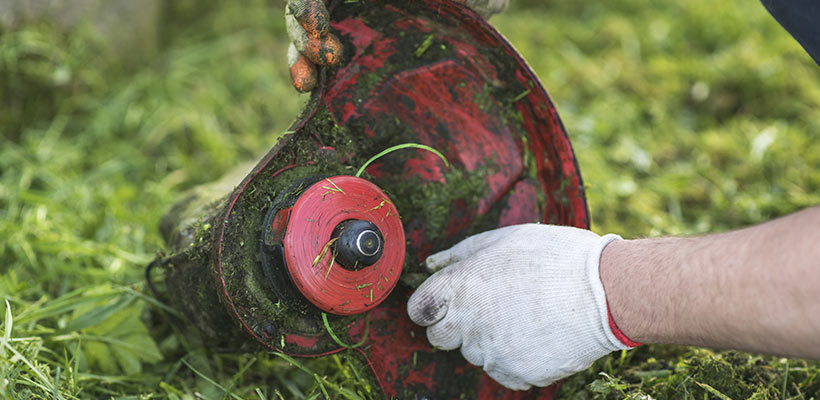
- String trimmer: replace or refill line, clean vents, confirm the guard is secure
- Leaf blower: clear the intake and check for loose fasteners
- Hand tools: sharpen shovels and edging tools, tighten loose handles
These small tasks keep weekend projects moving instead of stalling while you fight with equipment.
In northern Illinois, most cool-season lawns look best at 3 to 3.5 inches tall. Set your mower so it is easy to stay in that range instead of guessing each week.
When to call a professional
If working on engines is outside your comfort zone or your mower has had starting issues for years, a professional service is a smart option. Many local shops offer spring tune-up packages that include blade sharpening, oil and filter changes, spark plug replacement and a general inspection.
For homeowners who care about how their lawn looks, a tuned mower belongs in the same category as a good fertilizer program and proper watering. When your equipment is ready, every pass counts and your lawn shows it.
A little time in the garage now makes the whole mowing season smoother. When northern Illinois finally trades slush for green, your mower will be ready to match your enthusiasm and your lawn will thank you with a cleaner, healthier cut.
 Max 6 min read